
Perspectives

Brand experiencesGuide

How to measure a brand activation beyond foot traffic

An activation that only reports attendance and photos cannot defend its budget. Live experiences influence purchase intent and brand perception, but they have to be designed to measure that effect from day one.

Diego Pardo Ramírez

Founder and Managing Director, Pragmatical

· 2 min read

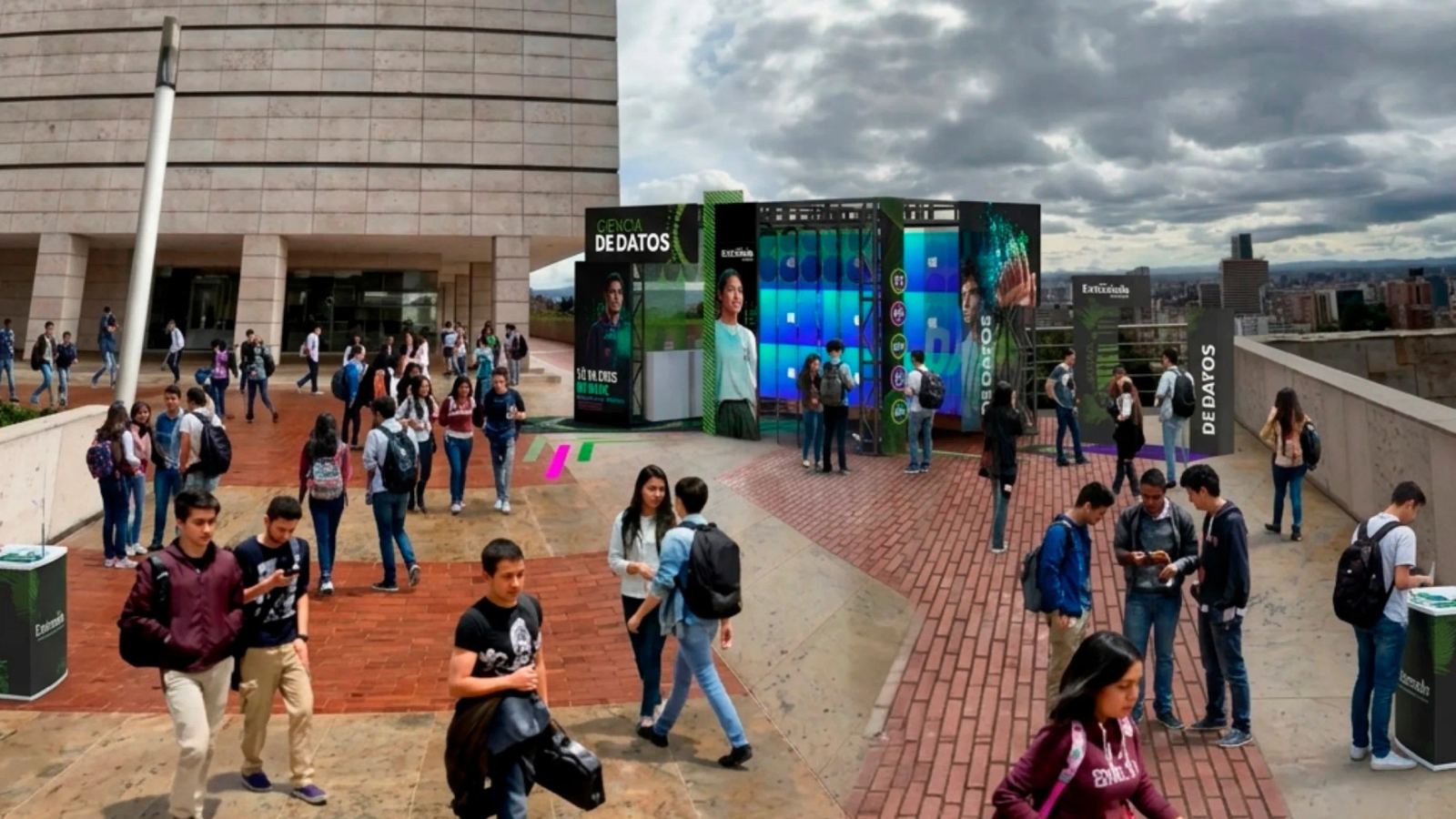
Design of the Externado Fest space with screens and visitors

In brief

  • 85% of consumers are more likely to buy after taking part in a brand experience (EventTrack).
  • 91% leave with a more positive perception of the brand.
  • Measurement is designed before the activation: goal, indicator and how to capture it.

Why it is worth measuring

The EventTrack study by Event Marketer and Mosaic found that 85% of consumers are more likely to buy after taking part in brand events and experiences, that 91% leave with more positive feelings towards the brand and that 84% of brands integrate events into their campaigns. The effect exists. What is usually missing is the evidence for each specific activation.

An activation is measured by what changed in the people who lived it.

Start with the business goal

Every activation should answer one question: what do we want people to know, feel or do after experiencing it? Depending on the answer, the indicator changes:

  • Awareness: brand or message recall, measured before and after.
  • Consideration: purchase or recommendation intent.
  • Action: sign-ups, product trials, redeemed coupons or attributed sales.
  • Relationship: contact data with consent and follow-up conversations.

How to capture data without breaking the experience

Measurement works when it is part of the journey: a short registration to take part, an activity that captures preferences, a code redeemed later, a brief survey on the way out. All with explicit consent for data processing, as required in Colombia by Law 1581 of 2012.

The report that actually helps

A good activation report compares results with the goal, separates what was measured from what is estimated, shows the cost per meaningful interaction and leaves recommendations for the next action. Photos support; they do not replace data.

Photos support the report. They do not replace it.

Sources

  • Event Marketer and Mosaic, EventTrack 2018: The Event & Experiential Marketing Industry Forecast & Best Practices Study.
  • Law 1581 of 2012, personal data protection (Colombia).

Related services

Brand activationsCorporate experiences

Keep reading

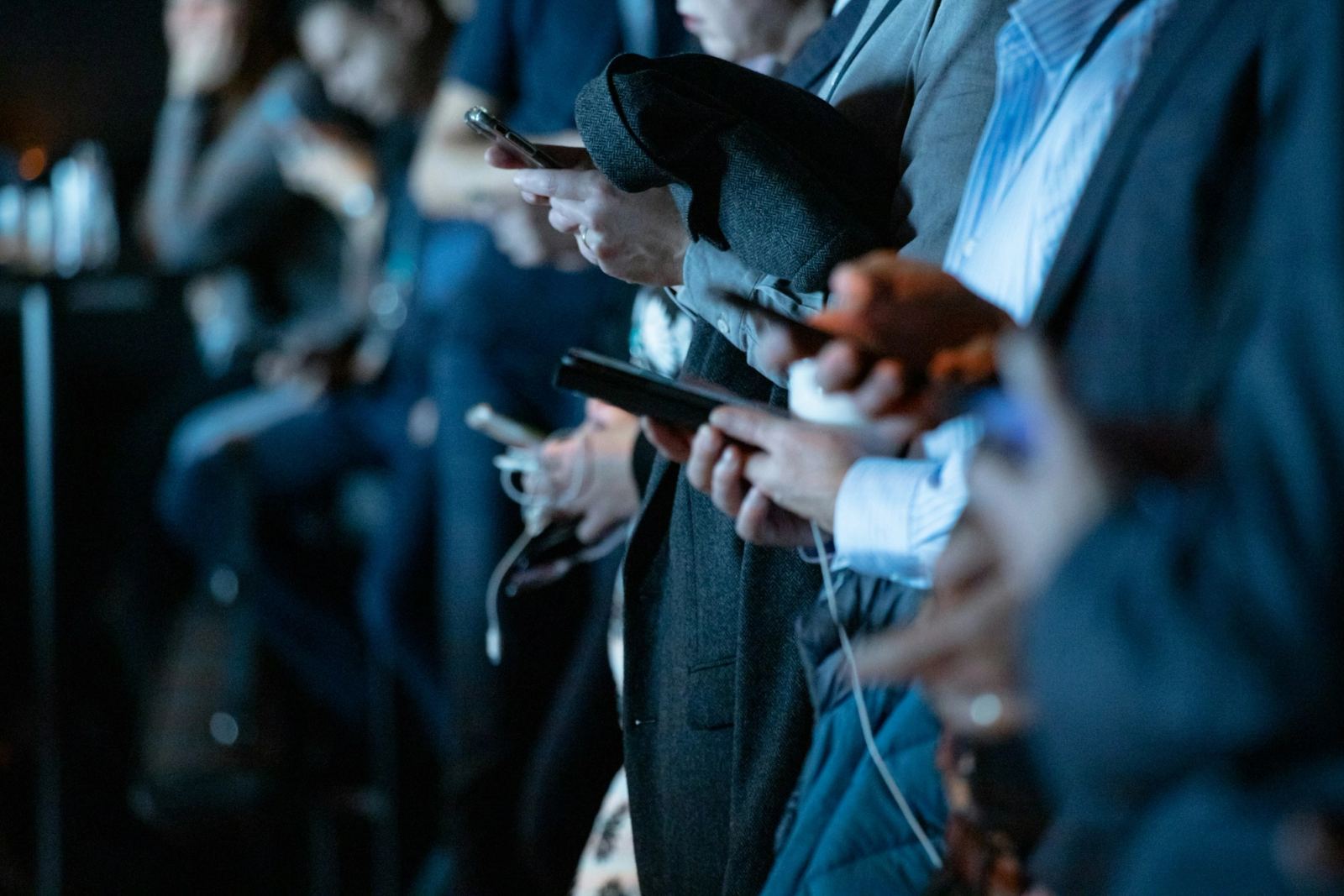
Corporate event attendees checking their phones while standing

InnovationAnalysis

Artificial intelligence in events: where it helps and where it does not

The events industry already uses artificial intelligence; what is still under discussion is what for. MPI and UFI data show accelerating adoption, and experience shows its value lies in giving people time back for judgement, not replacing it.

· 2 min read

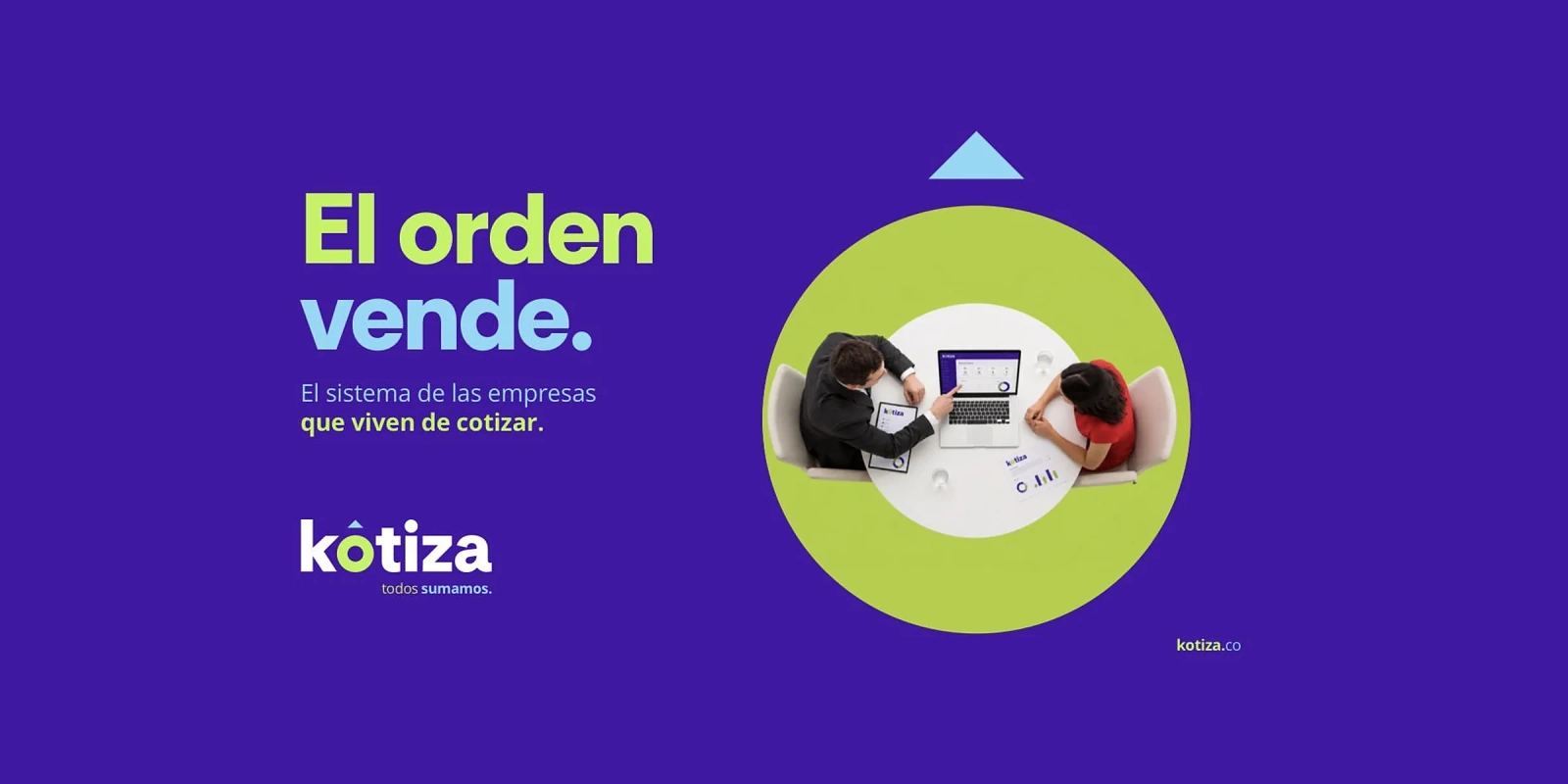
kotiza launch piece with the app on a phone

InnovationCase

kotiza: why an events agency built its own quoting software

In a service company, the quote is the first product the client receives. From that conviction, and years of quoting events on spreadsheets, kotiza was born: a platform to quote, follow up on opportunities and turn approved work into service orders.

· 2 min read

Professionals reviewing documents around a work table

Strategy and communicationGuide

How to prepare a tender proposal for events that wins on judgement

In an events tender, price matters, but it rarely decides alone. The proposals that win are those that show they understood the organization’s goal, meet every requirement without gaps and present a concept that can be delivered.

· 2 min read

Have a project in mind?

Let's talk about your project and how to solve it.

Let's talk about your project