
Perspectives

InnovationAnalysis

Artificial intelligence in events: where it helps and where it does not

The events industry already uses artificial intelligence; what is still under discussion is what for. MPI and UFI data show accelerating adoption, and experience shows its value lies in giving people time back for judgement, not replacing it.

Diego Pardo Ramírez

Founder and Managing Director, Pragmatical

· 2 min read

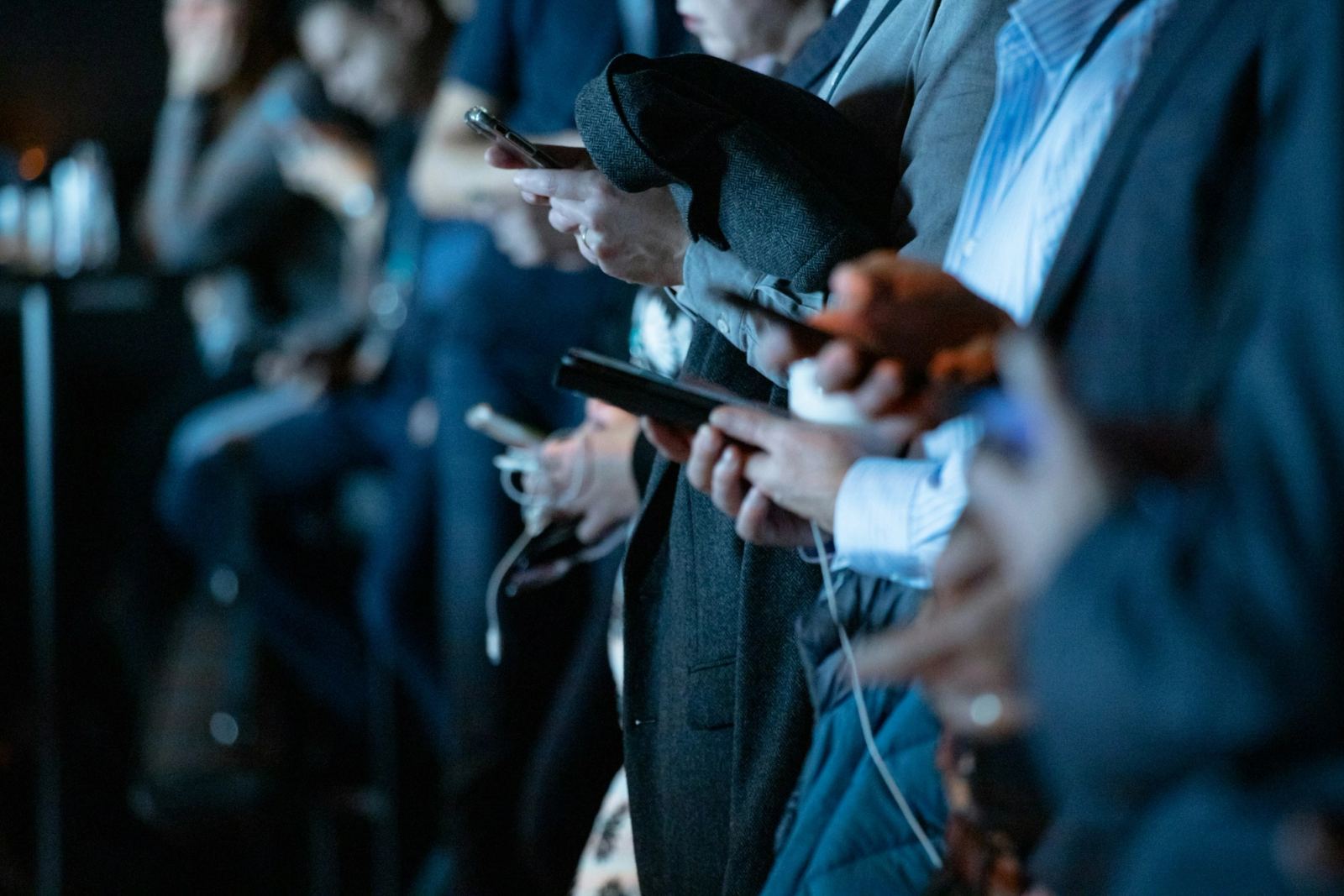
Corporate event attendees checking their phones while standing

In brief

  • Regular AI use among meeting professionals rose from 22% to 43%, according to MPI.
  • 91% of exhibition companies already use AI, according to UFI (June 2026).
  • AI performs in analysis, content and personalization; curation and relationships remain human.

An adoption that has already happened

In MPI’s Meetings Outlook research, the share of meeting professionals using artificial intelligence regularly nearly doubled, from 22% to 43%. In the exhibition sector the figure is even higher: UFI’s Global Barometer of June 2026, with data from 466 companies in 59 countries, found that 91% already use it, four points more than six months earlier. Colombia is one of the twenty markets that study analyses in detail.

91% of exhibition companies already use artificial intelligence.

Where it helps

  • Analysis: reading registrations, surveys and attendee behaviour to make data-driven decisions.
  • Content: first drafts of communications, session summaries, translations and captions.
  • Personalization: agenda recommendations and messages tailored to each attendee profile.
  • Operations: schedules, checklists and real-time answers to frequent questions.
  • Accessibility: live captioning and transcripts that widen who can take part.

Where it does not

AI does not decide what should happen at an event or why. Defining the purpose, curating the programme, negotiating with suppliers, reading the room and managing relationships with speakers, sponsors and clients remain a matter of judgement. The Incentive Research Foundation puts it this way in its 2026 trends report: adoption is high, but professionals are focused on protecting authenticity and human interaction at key moments.

AI organizes the work. Judgement remains human.

Three rules to use it well

  • Protected data: no attendee personal data in tools without clear data processing agreements.
  • Human review: all generated content goes through a person before reaching the audience.
  • Transparency: if an attendee interacts with an automated system, they should know it.

Sources

  • MPI, Meetings Outlook (2025).
  • UFI, Global Exhibition Barometer, 37th edition (June 2026).
  • Incentive Research Foundation, IRF 2026 Trends Report.

Related services

Strategic consultingCongresses and conventions

Keep reading

kotiza launch piece with the app on a phone

InnovationCase

kotiza: why an events agency built its own quoting software

In a service company, the quote is the first product the client receives. From that conviction, and years of quoting events on spreadsheets, kotiza was born: a platform to quote, follow up on opportunities and turn approved work into service orders.

· 2 min read

Professionals reviewing documents around a work table

Strategy and communicationGuide

How to prepare a tender proposal for events that wins on judgement

In an events tender, price matters, but it rarely decides alone. The proposals that win are those that show they understood the organization’s goal, meet every requirement without gaps and present a concept that can be delivered.

· 2 min read

Design of the Externado Fest space with screens and visitors

Brand experiencesGuide

How to measure a brand activation beyond foot traffic

An activation that only reports attendance and photos cannot defend its budget. Live experiences influence purchase intent and brand perception, but they have to be designed to measure that effect from day one.

· 2 min read

Have a project in mind?

Let's talk about your project and how to solve it.

Let's talk about your project