

Perspectives

Incentives and travelGuide

Incentive travel for companies: how to design it in 2026

Incentive travel rewards a result and, when well designed, reinforces the behaviour that produced it. In 2026 programmes face higher costs, budgets that are not growing at the same pace and more travel uncertainty. This guide brings together the criteria to design them with real value and measure their return.

Diego Pardo Ramírez

Founder and Managing Director, Pragmatical

· 3 min read

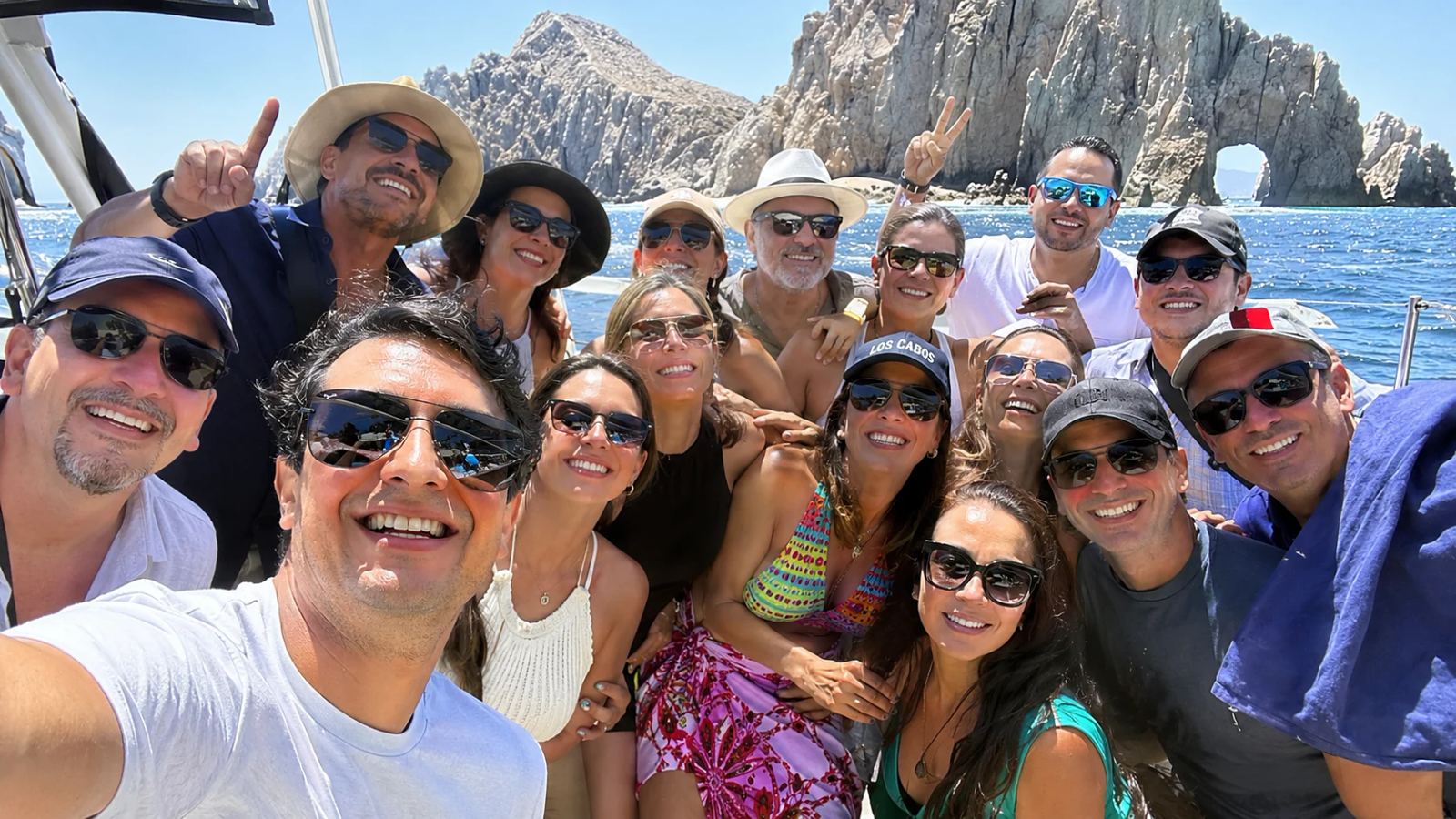
Incentive travel group on a boat in front of the Arch of Cabo San Lucas

In brief

  • Rising costs and flat budgets force a decision on what sustains the value of the reward.
  • Top performers reward fewer people with higher-value experiences.
  • Risk management is now a discipline of its own in incentive travel.
  • Return is measured against the indicator the programme set out to move.

What changed

The Incentive Research Foundation (IRF) 2026 Trends Report describes three pressures: rising costs with flat budgets, which lead planners to cut programme elements; a geopolitical environment that demands more rigorous risk assessment; and high adoption of artificial intelligence, which makes it necessary to protect human interaction at the moments that matter. According to the 2025 Incentive Travel Index cited in the report, average spend per participant rose only 4%, to USD 5,100.

The answer is not to cut indiscriminately. It is to decide which elements sustain the value of the reward and concentrate investment there.

Rather than cutting across the board, invest where the value is.

What incentive travel is for

It is used to reward sales teams, distributors, partners or employees who reached a goal. Its value lies in the reward being experienced as a group and linked to the organization, unlike a bonus that disappears into everyday spending. The IRF has found that top-performing organizations have more confidence in the business effect of incentives and tend to reward a smaller group with higher-value experiences.

Clear programme rules

The trip starts long before the flight. Goals, the measurement period, who can take part and how progress is communicated must be simple and known by everyone. A good teaser campaign keeps motivation up throughout the period.

Choosing the destination

The destination must feel like a reward for that particular group. Travellers’ origin, travel requirements, direct air connectivity, season and the kind of experiences available all matter. Domestic destinations reduce paperwork; international ones add perceived value.

Convention bureaus and destination marketing organizations are frequent partners: in a 2026 IRF study, 74% of incentive planners said they had benefited from the financial support they offer.

Designing the experience

A balanced programme combines free time, shared activities, a recognition moment and, if the organization needs it, a working or team building session. What makes the trip memorable are the details travellers could not buy on their own: local hosts, access to unusual places and experiences designed for that group.

Every winner must be able to enjoy the same reward. That means knowing each participant’s mobility, dietary or health needs in advance and choosing activities in which no one is left out.

What makes a trip memorable are the details no one could buy on their own.

Logistics and risk management

Travel documents, insurance, health conditions, special diets, accessibility and a contingency plan must be settled in advance. With more uncertainty around flights and destinations, risk assessment has become a discipline of its own in incentive travel. On-site support at the destination allows the team to handle the unexpected without affecting the group’s experience.

Measuring the return

Although business results are the stated goal, the IRF notes that few companies measure return systematically. Define from the start the indicator the programme aims to move (sales, retention, participation or performance), compare it with the previous period or with those who did not take part, and complement it with travellers’ satisfaction and their intention to compete again.

Frequently asked questions

Is a domestic or international destination better?

It depends on the group, the budget and the value to be conveyed. Colombia offers destinations with first-class experiences; an international destination adds perceived value but requires more paperwork and preparation time.

How do you protect the budget without reducing the value of the reward?

By identifying the two or three moments the group will remember and concentrating investment there, relying on bureaus and local partners, and avoiding across-the-board cuts.

Can incentive travel be combined with a business meeting?

Yes, as long as the work component does not override the reward. A short, well-designed session usually works better than a long agenda.

Does Pragmatical operate trips outside Colombia?

Yes. It operates in Colombia, Latin America, the United States and Europe, from programme design to logistics and experiences at the destination.

Related services

Incentives & Team buildingCorporate experiences

Keep reading

Corporate event attendees checking their phones while standing

InnovationAnalysis

Artificial intelligence in events: where it helps and where it does not

The events industry already uses artificial intelligence; what is still under discussion is what for. MPI and UFI data show accelerating adoption, and experience shows its value lies in giving people time back for judgement, not replacing it.


· 2 min read

kotiza launch piece with the app on a phone

InnovationCase

kotiza: why an events agency built its own quoting software

In a service company, the quote is the first product the client receives. From that conviction, and years of quoting events on spreadsheets, kotiza was born: a platform to quote, follow up on opportunities and turn approved work into service orders.

· 2 min read

Professionals reviewing documents around a work table

Strategy and communicationGuide

How to prepare a tender proposal for events that wins on judgement

In an events tender, price matters, but it rarely decides alone. The proposals that win are those that show they understood the organization’s goal, meet every requirement without gaps and present a concept that can be delivered.

· 2 min read

Have a project in mind?

Let's talk about your project and how to solve it.

Let's talk about your project